
DNA Confirms Ted Bundy Killed Utah Teen Laura Ann Aime in 1974, Closing a 51-Year Case
By Taylor Bennett. Apr 27, 2026
A Halloween Night in 1974
On Halloween night in 1974, 17-year-old Laura Ann Aime left a party in Utah alone to walk to a nearby convenience store. She never returned. About a month later, hikers discovered her body on the side of a highway in American Fork Canyon. She had been raped, strangled, and murdered.
For more than 50 years, investigators pointed to Ted Bundy as the most likely suspect in her death. Bundy was attending law school at the University of Utah at the time of Aime’s killing and had been definitively linked to a string of murders in the region. But without forensic confirmation, her case remained officially open – a name in an investigation, not a legal conclusion.
The DNA That Closed the File
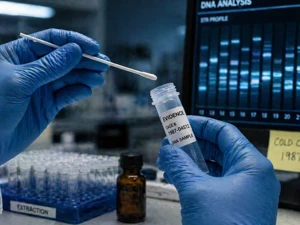
In April 2026, Utah authorities announced that advanced DNA analysis had confirmed what investigators had long suspected: the biological material recovered from Laura Ann Aime’s body in 1974 belonged to Ted Bundy. The Utah state crime laboratory acquired new technology in 2023 capable of extracting DNA from evidence that is small, heavily degraded from age, or contains genetic material from multiple individuals. That technology was applied to the 51-year-old evidence in Aime’s case and produced a definitive match.
Bundy was executed in Florida in 1989. He could not be charged or tried for Aime’s murder. But the DNA confirmation provides the formal legal and forensic closure that the case had never achieved – and gives Laura Ann Aime’s family a concrete, documented answer to a question they have carried for five decades.
Who Laura Ann Aime Was
Laura Ann Aime’s younger sister, Michelle Impala, has spoken publicly about who her sister was before that Halloween night. She described Aime as fun, outgoing, and deeply passionate about animals – a portrait of a 17-year-old with a specific personality and specific affections, not simply a name in a case file.
Aime is believed to be Bundy’s third victim in Utah, part of a murder spree that investigators now have more fully documented through decades of forensic work. In the years since Bundy’s execution, advances in DNA technology have continued to close cases that courts could not – returning names to the people behind unsolved deaths and returning, however incompletely, something to their families.
The Technology Behind the Answer
Forensic DNA work on 50-year-old evidence presents challenges that modern extraction methods are only beginning to overcome. The degradation of biological material over decades, combined with contamination from multiple DNA sources, historically made older evidence unreliable for profile matching. The technique used in the Aime case specifically addresses those limitations, allowing analysts to work with smaller, older, and more complex samples.
The result is a growing number of cold cases across the country being revisited with new tools applied to old evidence. Aime’s case is one of the most historically significant of these closures, given the prominence of Bundy’s name in American criminal history and the long shadow his cases have cast over the families of his victims.
Closure That Comes Fifty Years Late
The DNA confirmation does not undo what happened in American Fork Canyon in 1974. It does not change the decades that Michelle Impala and her family spent without a formal answer. What it does is add Laura Ann Aime’s name to the list of Bundy victims whose cases are now formally closed – confirmed, documented, and no longer categorized as unsolved.
For a girl who left a party alone on Halloween night and never came home, that confirmation arrives 51 years late. For her sister, who remembered her fondly and publicly when the news broke this spring, it is the only form of institutional acknowledgment that Laura Ann Aime’s death has ever received. It is, by every measure, long overdue.
References: New DNA testing links 1974 death of Utah teen to Ted Bundy, sheriff says | DNA testing confirms Ted Bundy killed Utah teen in 1974 cold case

The Topline News team was assisted by generative AI technology in creating this content
Trending

Earn Massive Cash Back With This Card
Sponsored
Alex Murdaugh's Murder Convictions Are Gone - He Is Still in Prison
Jordan Reyes

The Dumb Money Mistake Most People Make
Sponsored
They Planned Drone Bombs Over the Crowd. A Teenager's Mother Called the FBI.
Dana Whitfield

These 14 Benefits Could Save Seniors Thousands
Sponsored
Three Women Charged in Daylight Murder of Young Mom
Alex Morgan
Psychotherapist, New Mom, Stabbed to Death at Home
Dana Whitfield
IRS Agent Gets Life in Prison After Double Murder Plot With Family's Nanny
Alex Morgan

Teens Paid to Shoot and Film It. A Veteran Cop Was Killed Trying to Stop Them.
Jordan Reyes
Actor From 'Top Gun: Maverick' Killed at Home - Arrest Made
Taylor Bennett
Cold Case Investigator Says Marilyn Monroe's Death Scene Was 'Too Pristine'
Jordan Reyes

'Get Him Out of Here' - Judge Orders Gilgo Beach Killer Removed After Families Speak
Alex Morgan
Jury Rejects Self-Defense, Sends Teen to Prison 35 Years for Track Meet Killing
Taylor Bennett

Nicole Brown Simpson Said 'I'd Rather Die' - Her Ex Finally Speaks
Dana Whitfield

Mark Sanchez Stabbed 4 Times - Now Faces Prison
Alex Morgan
Mom's Birthday Text Came Hours Before Daughter Killed Her
Jordan Reyes

James Harden Pulled Over at 3 A.M., Booked by Dawn
Taylor Bennett

Husband Sentenced to Life in Au Pair Murder Case
Taylor Bennett
Actor From 'Elf' and 'Friday' Arrested After Missing Child Support Hearing
Jordan Reyes

Texas Psychics Charged After Telling Victims a Curse Required a Corvette
Alex Morgan
Mail Carrier Killed Months After Losing Her Husband
Taylor Bennett

Missing Royal Caribbean Crew Member Found Dead in St. Kitts
Dana Whitfield

Pastor Dies Hours Before Facing Wife's Murder Charge
Jordan Reyes

Georgia Couple Arrested for Murder After Bartender Found Dismembered in Reservoir
Dana Whitfield