
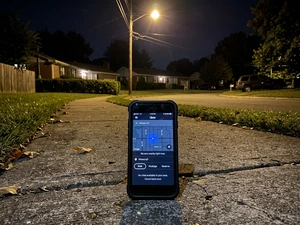
She Booked a Lyft. He Drove Her Somewhere She Did Not Choose.
By Dana Whitfield. Jun 1, 2026
She Trusted the App
A Lyft driver in Cary, North Carolina, has been charged with felony kidnapping, sexual battery, driving while impaired, and indecent exposure after a passenger said he drove her in the wrong direction, refused to stop, and assaulted her. Ryan James Davey, 30, of Cary, was arrested Wednesday, April 1, 2026, by local authorities after the rider contacted police.
“I feel violated. I’m scared for my life now,” the passenger told WRAL News. She asked not to be identified.
What the Passenger Reported
According to the arrest warrant reviewed by WRAL, Davey allegedly grabbed the rider’s face and forced her to kiss him against her will during the ride. “He yanked me by my coat and tried to start kissing me,” she told reporters. She was unable to exit the vehicle during the assault.
Davey was confirmed as a Lyft driver by the City-County Bureau of Identification. His charges include felony first-degree kidnapping - which in North Carolina can be applied when a victim is unlawfully restrained and confined without their consent - in addition to the sexual battery count and the impaired driving charge.
How Rideshare Kidnapping Charges Work
The application of felony kidnapping charges in rideshare assault cases has become more common as prosecutors have worked to match charges to the specific nature of crimes committed inside moving vehicles. When a driver refuses to stop, reroutes without consent, or physically prevents a passenger from leaving, the confinement element required for kidnapping charges is typically met.
The Cary case closely mirrors patterns documented in other high-profile rideshare assault cases across the country. Federal prosecutors in Houston charged four former Uber drivers with federal kidnapping in January 2026 under similar circumstances - each accused of diverting routes and confining intoxicated women who could not exit the vehicle.
The Passenger Said She Knew Something Was Wrong
The rider told WRAL she realized quickly the route was wrong and that Davey was not taking her to her destination. Her account of the assault began while the vehicle was still moving and she had no ability to exit safely.
The case has renewed public attention in the Cary and Raleigh area on rideshare safety practices - specifically the features Lyft and Uber both offer that allow passengers to share trip status with a trusted contact, verify the driver’s name and vehicle before entering, and report concerns in real time. Lyft did not respond to requests for comment on Davey’s employment status at the time of reporting.
What Riders Are Encouraged to Do
Safety advocates consistently recommend that rideshare passengers confirm the driver’s name, photo, and license plate before getting in the car - not after. Both Lyft and Uber provide real-time driver information in the app immediately after a ride is matched.
Passengers are also encouraged to use the in-app trip-sharing feature, which sends a live link of the route to a friend or family member. If a driver deviates from the expected route or a passenger feels unsafe, ending the trip and calling 911 is the recommended course of action. Exiting a slow-moving vehicle in a populated area is considered preferable to remaining in a vehicle with a driver whose behavior has become threatening.
Davey remained in custody pending further proceedings as of this reporting. The investigation is active.
References: Cary rideshare driver charged with kidnapping, DWI, sexual assault

The Topline News team was assisted by generative AI technology in creating this content
Trending

Earn Massive Cash Back With This Card
Sponsored

Savannah Guthrie's Mom Still Missing at 122 Days
Taylor Bennett

The Dumb Money Mistake Most People Make
Sponsored

Mom Sends $5,400 to Cartel After Hearing Daughter's Voice
Jordan Reyes

These 14 Benefits Could Save Seniors Thousands
Sponsored

Arizona Dancer Was Killed the Day She Was Set to Testify
Alex Morgan

She Was Gone 19 Days. They Found Her 700 Miles From Home.
Alex Morgan

FBI Interviews New Suspects in Amy Bradley Case
Dana Whitfield

Timothy Busfield Indicted in Child Abuse Case
Taylor Bennett

Passenger Chokes Flight Attendant, Tries to Storm Cockpit
Dana Whitfield

Kelce Lost His First Super Bowl Jersey. Now Suspects Are Caught.
Taylor Bennett

15 Witnesses Skipped Depositions, Pushing Courtney Clenney Trial to August
Jordan Reyes

Teen Charged in Stepsister's Cruise Death Won't Be Jailed
Dana Whitfield

70-Year-Old Man Charged in 1993 Cold Case Murder After DNA Breakthrough
Dana Whitfield
Busfield's Wife Speaks as Child Abuse Trial Looms
Taylor Bennett

A Daily Pill Just Nearly Doubled Survival Time for Pancreatic Cancer Patients
Taylor Bennett

Man Dies After Going Overboard From Carnival in Bahamas
Alex Morgan

Teacher Shot Dead at Home - Husband Turned Gun on Himself
Alex Morgan

FBI Busts Massive 'Pig-Butchering' Scam Ring Targeting Americans
Jordan Reyes

Mother Found Dead, 5-Year-Old Daughter Taken to Mexico
Taylor Bennett

California Man Killed in Thailand After Refusing to Move On
Alex Morgan

California Mom Wires $5,400 to Scammers Who Cloned Her Daughter's Voice Using AI
Jordan Reyes

Passenger Arrested After Trying to Force His Way Into Cockpit on Flight to Rapid City
Jordan Reyes

Britney Spears Takes Plea Deal After DUI Arrest
Jordan Reyes