
A Selfie Could Reveal Your Health Risks - Are You Ready to Know the Truth?
By Nikki Thrace. Jan 28, 2025
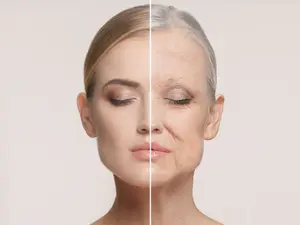
Imagine snapping a selfie and discovering not just how old you look, but how old your body feels. This is the promise of a novel technology that analyzes your “face age” - an artificial intelligence (AI)-driven metric that estimates your biological age based on facial features. What was once science fiction is now helping doctors make critical decisions, from tailoring cancer treatments to predicting patient outcomes. But how reliable is it, and what could this mean for the future of medicine?
The Rise of ‘Face Age’ Technology
AI-driven facial analysis has grown from a digital curiosity to a medical tool. By examining changes in facial features - wrinkles, skin texture, even the shape of your eyes - these algorithms estimate biological age. Unlike your chronological age, which is fixed, biological age reflects how well your body is functioning. This can vary greatly depending on lifestyle, genetics, and overall health.
A Game-Changer for Oncology
As reported by Business Standard, radiation oncologist Dr. Raymond Mak has seen firsthand how “face age” technology can make a difference. One of his 90-year-old patients, a tennis enthusiast, had the vitality of someone much younger. The AI tool confirmed what Mak’s intuition suggested - his biological age was closer to 66. Armed with this data, Mak had more confidence recommending aggressive cancer treatment for this particular patient.
Research suggests that cancer patients often appear about five years older than their peers, and this “older appearance” correlates with shorter lifespans. By combining facial analysis with other clinical data, doctors can better predict outcomes and personalize treatment plans.
Beyond Cancer: Everyday Applications
While tools like FaceAge® are currently in the research phase, consumer versions are readily available. Companies like Novos offer free tests that assess wrinkles, eye condition, and skin uniformity, giving users insight into their biological age. Chris Mirabile, Novos’ CEO, believes these tests can motivate healthier habits. He takes the test himself every few months, using the feedback to refine his diet and skincare routine.
For individuals who are curious about their overall health, these consumer tools can serve as a wake-up call. Seeing an older biological age might encourage lifestyle changes, like adopting a healthier diet, quitting smoking, or getting more sleep. This personal accountability makes face-age tests appealing not just for medical professionals but for everyday users as well.
The Science Behind the Scan
Facial changes don’t occur in isolation. Research shows that a youthful appearance is often linked to healthier blood profiles, indicating that biological age and overall health are intertwined. Jing-Dong Jackie Han of Peking University has found universal patterns, like shrinking foreheads and drooping eyes, that signal aging across diverse populations. By comparing facial age estimates to blood tests, her team demonstrated that those who look younger often have better health outcomes.
Interestingly, some researchers are exploring how specific facial features might reveal early signs of chronic illnesses. For instance, subtle changes around the eyes and cheeks might correlate with cardiovascular health, while jawline alterations could hint at hormonal imbalances. These findings are opening new doors for preventative medicine, helping doctors identify potential risks before they become serious health issues.
Challenges and Ethical Concerns
Despite its potential, “face age” technology is not without flaws. Many AI models are trained on datasets dominated by images of wealthy, light-skinned individuals, leading to less accurate predictions for underrepresented groups. Factors like poor lighting, cosmetic surgery, and low-quality photos can also skew results. There’s also concern about bias in medical decisions. Could patients with “older” face scans be denied aggressive care? Experts like Nicole Martinez-Martin of Stanford warn that such biases could inadvertently influence outcomes.
Additionally, privacy concerns loom large. Storing and analyzing facial data raises questions about data security and consent. Who owns the data, and how might it be used beyond its intended purpose? These are issues that researchers and tech developers must address to build trust and ensure equitable access to this groundbreaking technology.
The Road Ahead
As the technology improves, its potential applications are vast. One day, your electronic health record might include a selfie, analyzed to flag early signs of disease or recommend preventive care. Imagine being prompted to get a lung screening based on subtle facial markers of smoking. These advancements could transform routine healthcare, making it more proactive and personalized.
Beyond individual health, “face age” could influence public health initiatives. Governments and organizations might use aggregated data to identify regional health trends, targeting resources where they’re needed most. For example, if a community shows signs of premature aging due to environmental factors, targeted interventions could improve overall well-being. This collective approach could amplify the societal benefits of face-age technology.
Your face is more than just a reflection in the mirror - it’s a roadmap to your health. While the science is still evolving, the idea that your biological age can be deciphered from a simple photo is both exciting and sobering. As “face age” tools become more sophisticated, they could empower you to take charge of your health in ways never before imagined. By bridging the gap between personal insights and medical expertise, this innovation has the potential to redefine how we approach health and longevity.
References: What is ‘face age’? Can this novel AI-tool help fight diseases like cancer? | What Your ‘Face Age’ Can Tell Doctors About Your Health

The Topline News team was assisted by generative AI technology in creating this content
Trending

Earn Massive Cash Back With This Card
Sponsored

Teens Paid to Shoot and Film It. A Veteran Cop Was Killed Trying to Stop Them.
Jordan Reyes

The Dumb Money Mistake Most People Make
Sponsored

They Planned Drone Bombs Over the Crowd. A Teenager's Mother Called the FBI.
Dana Whitfield

These 14 Benefits Could Save Seniors Thousands
Sponsored

Actor From 'Elf' and 'Friday' Arrested After Missing Child Support Hearing
Jordan Reyes

Texas Psychics Charged After Telling Victims a Curse Required a Corvette
Alex Morgan

'Get Him Out of Here' - Judge Orders Gilgo Beach Killer Removed After Families Speak
Alex Morgan

Mark Sanchez Stabbed 4 Times - Now Faces Prison
Alex Morgan

Pastor Dies Hours Before Facing Wife's Murder Charge
Jordan Reyes

Three Women Charged in Daylight Murder of Young Mom
Alex Morgan
Psychotherapist, New Mom, Stabbed to Death at Home
Dana Whitfield

Jury Rejects Self-Defense, Sends Teen to Prison 35 Years for Track Meet Killing
Taylor Bennett

Mom's Birthday Text Came Hours Before Daughter Killed Her
Jordan Reyes

Georgia Couple Arrested for Murder After Bartender Found Dismembered in Reservoir
Dana Whitfield

Cold Case Investigator Says Marilyn Monroe's Death Scene Was 'Too Pristine'
Jordan Reyes

Alex Murdaugh's Murder Convictions Are Gone - He Is Still in Prison
Jordan Reyes

Missing Royal Caribbean Crew Member Found Dead in St. Kitts
Dana Whitfield

Mail Carrier Killed Months After Losing Her Husband
Taylor Bennett

Nicole Brown Simpson Said 'I'd Rather Die' - Her Ex Finally Speaks
Dana Whitfield

Actor From 'Top Gun: Maverick' Killed at Home - Arrest Made
Taylor Bennett

James Harden Pulled Over at 3 A.M., Booked by Dawn
Taylor Bennett

Husband Sentenced to Life in Au Pair Murder Case
Taylor Bennett

IRS Agent Gets Life in Prison After Double Murder Plot With Family's Nanny
Alex Morgan